
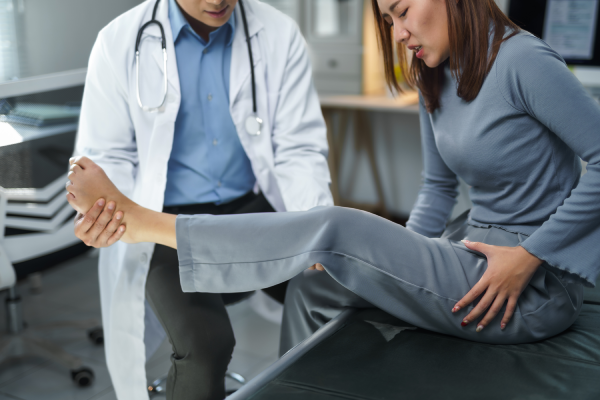
Discover how orthopedic PRP injections for knee pain in New Jersey help treat injuries and stiffness. PRP therapy helps promote healing, tissue regeneration, and recovery using the platelet-rich plasma from the blood. With natural healing properties, these revolutionary treatments help alleviate knee pain due to strained ligaments, cartilage tears, or even arthritis conditions. Additionally, platelet-rich plasma may restore stiffness, alleviate pain, and promote rapid recovery after traumatic soft tissue injuries and degenerative conditions. As someone living with chronic knee pain, consider BMAC PRP stem cell injections for recovery. Read on to learn about how PRP treatments for knee pain promote injury recovery, rehabilitation, and pain management.
Support Multiple Knee & Joint Injuries
Knee PRP injections in New Jersey help address chronic pain in multiple ligament, muscle, and joint injuries. Particularly, PRP therapy specialists use platelet-rich injections to address various musculoskeletal conditions, including sprains, chronic pain, sports-related injuries, and ACL tears. Additionally, pain management doctors also prescribe these minimally-invasive injections for treating cartilage degeneration in patients struggling with arthritis. Clinical studies also found that PRP therapy provides better and instant relief than traditional injections, especially for chronic knee injuries. You may qualify for platelet-rich plasma injections if you experience one of these conditions – along with prolonged knee pain from 3-6 months. Definitely, consult Jersey City PRP injection doctors to treat various knee & joint injuries.
Require Minimally-Invasive Outpatient Procedures
In addition, knee injury PRP injections in NJ require minimally-invasive outpatient procedures to help alleviate pain. Based on your knee injury, the entire procedure may last for around an hour. A minimally-invasive procedure, you may experience mild discomfort or pain in the injured area. Your PRP therapy specialist may use anesthesia before the procedure to ease pain. Keep in mind your injury recovery may require up to 3-4 outpatient sessions stretched over a period of a few weeks. Indeed, manage knee pain with advanced, minimally invasive PRP treatments in New Jersey.
Use Growth Factors For Healing
Knee injury PRP injections use growth factors to heal pain and stiffness. During the procedure, a small amount of your blood is drawn and injected into the treatment area. Platelets, which are found in the blood, help regulate growth factors at the injury site. Growth factors play an important role in healing soft tissue injuries. Typically, this procedure increases the injury repair rate and accelerates the regeneration of tissues. The treatment is performed under ultrasound guidance and takes up to an hour. Based on the injury, the doctor may inject three injections in a 2-4 week time frame. After treatment, the patient can get physical therapy to speed up the rehabilitative process. Indeed, get PRP treatment to enable growth factors for healing knee pain.
Promote Rapid Recovery
Experience rapid injury recovery with minimally-invasive platelet-rich plasma injections for knee pain in NJ. Typically, you may notice reduced pain, stiffness, and poor mobility within a few weeks after the treatment. During this period, injected PRP helps regulate collagen production around your knee joints, leading to long-term healing. Your physician may prescribe painkillers to help manage pain in the targeted area and experience improved rehab. Based on the injury, your recovery may require yearly PRP sessions to maintain pain-free, mobile, and healthy knee joints. Indeed, consult Jersey City pain doctors for post-procedure rehab support that promotes rapid recovery.
Treat Injuries With Minimal Side-Effects
The platelet-rich plasma treatment is a minimally invasive procedure. There are some minimal side effects, and you are expected to take it easy for recovery. Some patients experience pain, swelling, and discomfort around the injection site. Typically, this pain dissipates after 2-3 days. Similar to any type of invasive treatment, you have the risk of infection, tissue damage, or bleeding. In some cases, the PRP injection may require additional time for recovery and multiple treatments to promote healing of the knee. Overall, if you rest and follow up with your doctor, the procedure is expected to have minimal side effects.
Get platelet-rich plasma injections to treat pain, stiffness, and knee injuries. These minimally-invasive injections rely on a simple outpatient procedure to treat a variety of injuries. Since the body’s natural growth factors are used to promote healing, you may experience minimal side effects after the procedure. Once the procedure is completed, you’ll experience rapid recovery with minimal side effects. Follow the points above to learn about PRP treatments for knee pain.
What To Expect From PRP Therapy For Knee Pain Treatment?
Expect a personalized treatment approach from PRP pain management specialists in NJ. This regenerative treatment uses natural healing power to help repair damaged knee tissues. After the procedure is completed, expect to get back to an active, pain-free, and comfortable lifestyle. Typically, protein-rich growth factors in the plasma trigger cell renewal to repair everyday wear and tear from repeated motion, injuries, or a chronic condition. If you’re planning to get a regenerative knee treatment, get familiar with the end-to-end PRP procedure for recovery. Read on to learn what to expect from PRP-treatments for knee injuries.
PRP Consultation For Knee Pain
First, prepare for an initial consultation with a professional PRP specialist for knee recovery in NJ. During this consultation, your physician may review your complete medical history to evaluate if you’re an ideal candidate for platelet-rich plasma. For knee injuries, X-rays are performed to evaluate the condition of damaged cartilage, ligaments, or soft tissues. Additionally, you may need to undergo a complete physical examination and diagnostic tests to evaluate other health conditions. Be prepared to share prescription medication, nutritional supplements, and current diet plan with your physician. These specialized diagnostic procedures are necessary to structure a personalized knee therapy treatment. Indeed, PRP therapy in Jersey City begins with a comprehensive knee evaluation and consultation.
Prepare For The PRP Procedure
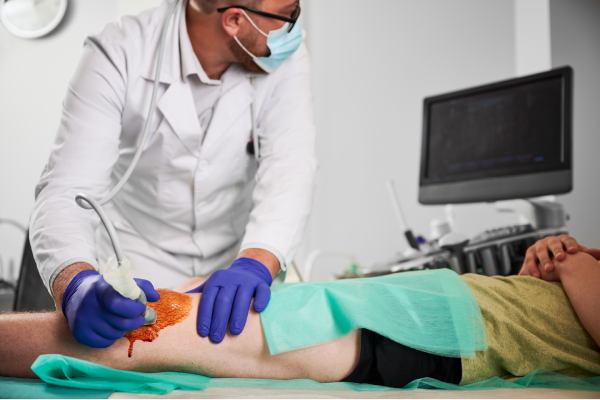
Once qualified, prepare for the PRP knee pain treatment in NJ. During the procedure, physicians draw a small amount of blood from your body and process it in a centrifuge. This centrifugal process helps separate concentrated plasma from the blood platelets. Your physician will directly inject the concentrated PRP solution into the injured knee area. For precise targeting, ultrasound guidance equipment is used to inject the solution into damaged cartilage. Once injected, your knee may experience immediate tissue regeneration to help alleviate pain. Over time, concentrated growth factors also reduce the underlying inflammation to trigger faster joint recovery. Indeed, follow your doctor’s instructions to prepare for knee-pain PRP therapy in NJ.
Is PRP Safe For Knee Injuries?
In addition, learn if PRP therapy for knee osteoarthritis is safe for recovery. Compared to traditional surgical interventions, this regenerative treatment does not require complex procedures. Platelets harvested from your own blood cells may reduce the risk of major complications, ongoing diseases, or infections. Additionally, you are less likely to experience any allergic reaction from a PRP injection for knee pain. Instead, the regenerative growth factors in the concentrated plasma enable your body to help heal cartilage injuries without major complications. For improved recovery, your physician may even personalize the optimum formula for plasma injection according to your specific injury.
Knee Recovery After The Procedure
Get familiar with the recovery after a platelet-rich plasma injection. Right after the procedure is completed, you may experience soreness, swelling, and mild pain at the injected knee area. Your physician may prescribe over-the-counter pain management medication to provide comfort. Typically, you may notice visible pain relief results after a few weeks of the initial treatment. Some patients may even require follow-up sessions to help reduce pain, alleviate inflammation, and promote faster recovery. Indeed, follow the recovery guidelines to experience faster rehab after a regenerative PRP treatment in New Jersey.
Potential Side Effects And Outcomes
PRP injections for knee injury may trigger mild side effects in a few cases. As a minimally invasive procedure, the therapeutic procedure uses the body’s natural healing ability for pain relief. Ultimately, these natural properties minimize the risk of allergic reactions – while promoting recovery and comfort. Some patients may experience bleeding, mild tissue damage, or pain for a few days after the treatment. If you also experience any pain or swelling, consult with your physician for anti-inflammatory medication. Typically, these visible symptoms subside within a few days after the procedure.
Platelet-rich plasma treatment for knee injuries follows a personalized approach to promote faster recovery. Typically, these procedures begin with a comprehensive evaluation & consultation to diagnose the underlying condition. Qualified candidates receive an appointment date for a minimally-invasive outpatient procedure where concentrated plasma is injected into the injured knees. Since the treatment uses natural healing abilities, you may not experience major side-effects after the procedure is completed. Simply follow your physician’s instructions to experience healthy recovery after the treatment.