
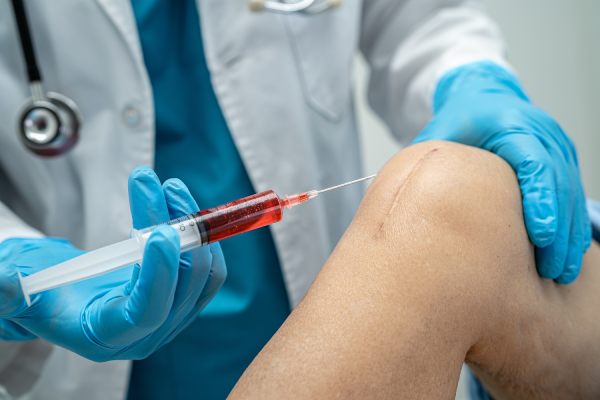
PRP therapy is an evidence-backed treatment for knee osteoarthritis in New Jersey. This clinically-proven specialized procedure may help alleviate pain, swelling, stiffness, and other common symptoms of knee osteoarthritis. Harnessing the power of the body’s natural healing factors, platelet-rich plasma helps slow down the damage to protective cartilage in the knees. The treatment usually involves injecting isolated platelets into the damaged cartilage to help reverse osteoarthritis symptoms. Over time, you may return to daily activities such as walking, climbing stairs, or driving without experiencing major pain. As someone looking for a safer non-surgical osteoarthritis treatment, consider PRP for knee pain in New Jersey. Read on to learn about treatment, recovery, and results from PRP therapy for knee osteoarthritis in Jersey City.
Initial Assessment To Qualify For PRP
The PRP osteoarthritis treatment begins with an initial assessment to qualify for the procedure. Keep in mind only board-certified qualified physicians can decide if you qualify for this regenerative procedure. During the initial assessment, your physician may review your medical history, osteoarthritis symptoms, and underlying conditions as well. An additional comprehensive physician examination is conducted to review the extent of your knee arthritis condition. If required, X-rays, MRIs, and CT scans are also conducted to decide if PRP may help reverse the cartilage damage in your knees. Indeed, book a consultation for PRP therapy in Jersey City with a board-certified orthopedic physician.
Platelet-Rich Plasma Serum Preparation
Once qualified, osteoarthritis PRP specialists prepare platelet-rich plasma for the treatment. This chronic knee pain treatment requires sufficient platelets to trigger tissue regeneration, reduce pain, and improve mobility. To prepare the serum, physicians first process your blood in a centrifuge. This centrifugal process helps isolate the platelet-rich liquid plasma from your blood that triggers cartilage repair in your knees. For osteoarthritis treatments, pain management doctors focus on extracting a platelet-rich serum with a higher concentration of growth factors and proteins. Without sufficient platelets, you may not experience the expected pain relief results for your knee arthritis. Definitely, preparing platelet-rich plasma serum is a key part of the knee osteoarthritis treatment with PRP.
Recovery After The Procedure
Understand the recovery process after PRP knee therapy for osteoarthritis. Typically, all patients are advised to follow an easy, low-impact routine after receiving a platelet-rich plasma injection. Your doctor may ask you to apply ice in case you experience tenderness and swelling around the treated area. To avoid knee discomfort, you’ll need to avoid strenuous activities after a few days of the treatment. During the recovery process, your doctor will also schedule follow-up appointments to evaluate the healing. This way, physicians also decide if you require additional PRP sessions to reverse the osteoarthritis symptoms. Indeed, recovery after a PRP session may vary based on your knee health.
Results From PRP Therapy For Knee
After recovery, outcomes from osteoarthritis knee treatment may depend on the underlying symptoms, number of sessions, and healing process. Within a few weeks, concentrated platelets accelerate cartilage repair and tissue regeneration in the treated knee areas. You may notice significant improvement in your knee health, mobility, and overall quality of life. Some patients may even experience permanent relief from knee pain within the first few sessions of the treatment. For severe osteoarthritis, you may experience reduced pain and inflammation over a period of a few months and multiple PRP sessions. Indeed, follow instructions from your orthopedic doctor to see the expected results with PRP therapy in New Jersey.
Post-Surgical Alternative For Healing
In addition, PRP injections in Jersey City may promote post-surgical healing after osteoarthritis surgeries. The isolated platelets help accelerate tissue repair, reduce inflammation, and restore protective joint cartilage. Since PRP injections deliver growth factors directly to the surgical site, you may experience faster recovery, reduced pain, and better functional outcomes. Combined with other rehabilitation techniques, this treatment also regenerates damaged tissues to slow the osteoarthritis progression. Board-certified physicians may also combine PRP with physical therapy to support post-operative rehabilitation. Indeed, consider platelet-rich plasma treatments for a healthy recovery after a complicated knee surgery.
Regenerative platelet-rich plasma for knee osteoarthritis is a non-surgical, evidence-backed, and low-risk pain management treatment. Typically, this treatment begins with a comprehensive consultation to evaluate if you qualify for the procedure. During the procedure, a board-certified physician prepares a platelet-rich serum to help repair the damaged knee cartilage. After the procedure is completed, carefully follow the instructions to accelerate healing, pain relief, and mobility. Moreover, these injections may support your post-surgical healing after critical knee surgery for osteoarthritis. Follow the points above to learn about knee pain management with PRP injections.